Category 1

Dua Lipa Sues Samsung For $15 Million For Allegedly Using Her Face To Sell TVs

Like this article? Keep independent journalism alive.Support HuffPost.

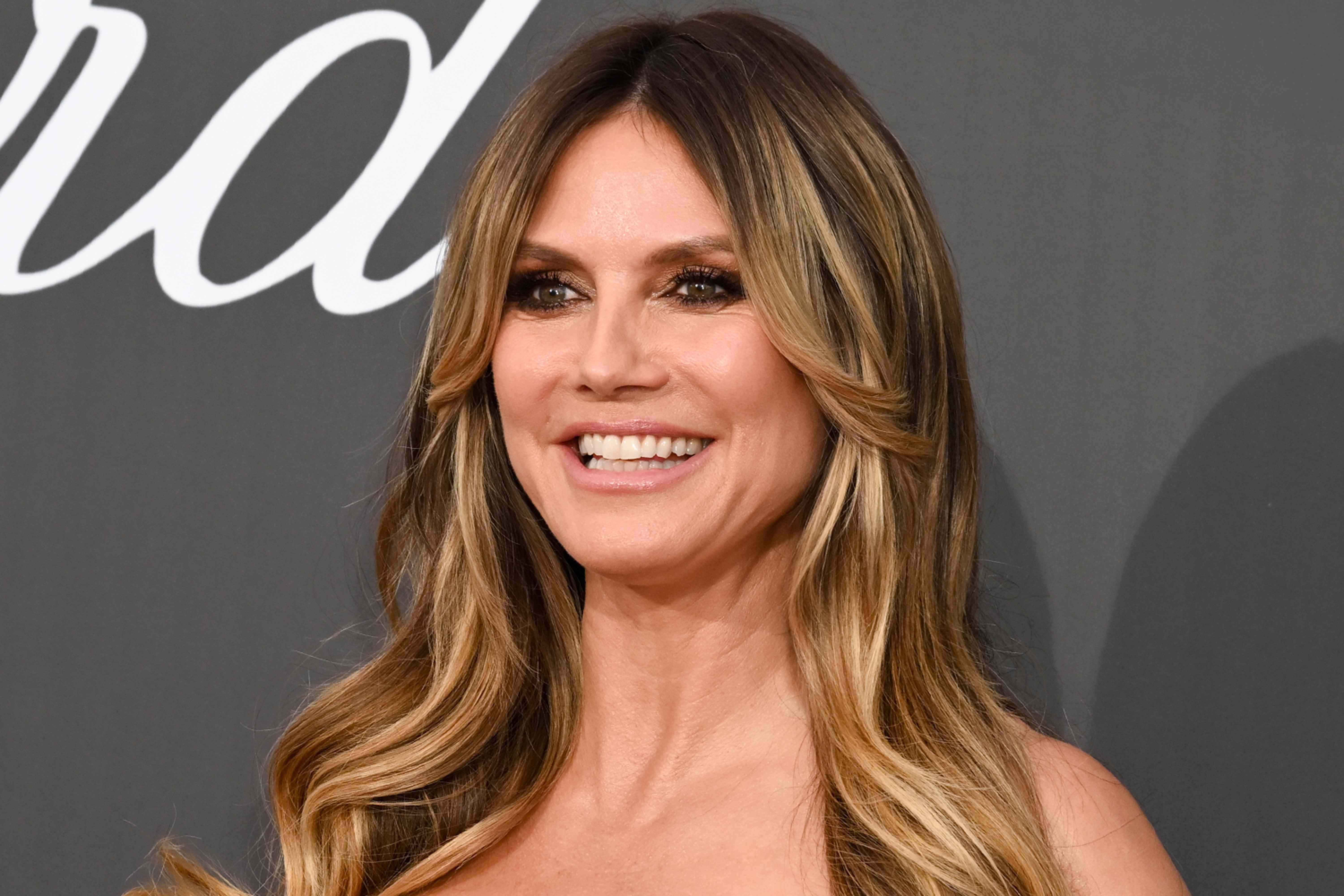
HuffPost British pop star Dua Lipa claims Samsung Electronics used her image without permission to market its television sets.

May 10 (Reuters) - British pop star Dua Lipa has filed a lawsuit against Samsung Electronics seeking at least $15 million in damages, accusing the South Korean tech giant of using her image without permission to market its television sets.

The lawsuit alleges that Samsung featured a copyrighted image of the pop star on the front of cardboard boxes containing televisions for retail sale, enabling the company to benefit from what seemed like her endorsement of the product.

Buzz:Desi Lydic Destroys 1 Donald Trump Weakness With A Sharp One-Liner

The image alleged to have been used on the TV boxes is titled “Dua Lipa - Backstage at Austin City Limits, 2024,” and Lipa is the owner of all rights, title and interest in the image, the lawsuit said. The suit was filed on Friday in the California federal court.

A spokesperson for Samsung Electronics declined to comment, saying it was unable to comment on pending litigation, while Dua Lipa’s lawyers did not immediately respond to a request for comment on the case.

Advertisement

Besides copyright and trademark infringement, Dua Lipa has accused Samsung Electronics of breaching publicity rights.

Lipa’s lawyers have attached screenshots of social media postings and comments in the filing claiming that the pop star’s image on the front of the boxes pushed potential customers to purchase the product. One of these screenshots shows a fan commenting that they would get the TV “just because Dua is on it.”

Buzz:Celeb Who Got Inadvertedly Dissed On 'Jeopardy!' Has Surprising Response To Slight

The “Levitating” singer became aware of Samsung’s alleged infringement in June last year and demanded that Samsung stop using her image, but the electronics manufacturer repeatedly refused to do so, her lawyers said.

Samsung’s alleged unauthorised use of Dua Lipa’s image has “caused and continues to cause dilution” of the pop star’s “brand identity and commercial goodwill by falsely conveying to the consuming public that she approves of and endorses” the products in question, they added.

(Reporting by Rhea Rose Abraham and Akanksha Khushi in Bengaluru; Additional reporting by Hyunjoo Jin; Editing by Kate Mayberry)

Entertainment Updates

Read the original on HuffPost

Dua Lipa Sues Samsung For $15 Million For Allegedly Using Her Face To Sell TVs

Like this article? Keep independent journalism alive.Support HuffPost. May 10 (Reuters) - British pop star Dua Lipa has filed a l...
17 Epic ’70s Concerts That Changed Music Forever

Before streaming and algorithm-driven discovery, there was the sheer electricity of a live show to shift culture. The 1970s saw concerts turn into landmarks for fans and for music itself. Artists experimented with stagecraft, sound, and scale, altering how concerts were planned, filmed, and remembered.

Family Minded

These shows left behind new expectations, bigger risks, and moments no one else could replicate.

The Who – University of Leeds Refectory, England – February 14, 1970

Credit: Reddit

In search of a clean live recording, The Who scrapped earlier tour tapes and recorded this concert. The setup was minimal, with no crowd mics and a tight setlist focused on earlier singles. Live at Leeds became a respected live rock album that influenced how later bands approached recording live performances.

David Bowie – Hammersmith Odeon, London – July 3, 1973

Credit: Facebook

The event marked the end of Bowie’s Ziggy Stardust persona. Without advance notice, he told the audience it was the final performance. Many thought he was quitting music entirely. Instead, it was a deliberate break from one of rock’s most iconic characters.

Led Zeppelin – Madison Square Garden, New York – July 1973

Credit: Reddit

Before this concert run, Zeppelin had already redefined what arock bandcould look like at scale. By 1973, they had released five albums, each pushing blues-rock toward heavier, more experimental territory. Their New York shows, captured in The Song Remains the Same, showed the high-stakes nature of their live reputation.

Pink Floyd – Amphitheatre of Pompeii, Italy – October 1971

Credit: Reddit

Without an audience, Pink Floyd performed inside the ruins of Pompeii. The film emphasized setting and sound by presenting the band in an experimental format. The extended instrumentals and sparse visuals portrayed the group’s interest in ambient and space-driven music.

Allman Brothers Band – Fillmore East, New York – March 1971

Credit: Reddit

By 1971, the Allman Brothers had earned a following, but At Fillmore East is what placed them permanently in the conversation. Duane Allman’s guitar work, especially on “Whipping Post” and “In Memory of Elizabeth Reed,” was central to the band’s identity. Meanwhile, the rest of the band left room for the music to evolve naturally without forcing transitions.

Queen – Hammersmith Odeon, London – December 24, 1975

Credit: Facebook

Queen’s rise was carefully orchestrated but powered by their ability to deliver live. Around the time this televised concert aired, they had already moved beyond “Killer Queen” and were heading toward more complex arrangements. Freddie Mercury’s control over both voice and stage was undeniable.

Grateful Dead – Watkins Glen, New York – July 28, 1973

Credit: Reddit

Drawing an audience of over 600,000, this event became one of the largest concert gatherings. The Grateful Dead’s approach remained unchanged despite the scale: greater improvisation, fluid transitions, and a lack of scripted structure. The performance proved that large-scale concerts didn’t require polished delivery to maintain engagement.

The Rolling Stones – Madison Square Garden, New York – July 26, 1972

Credit: Facebook

The Stones had entered a new phase with Exile on Main St., and this tour showed that shift. Their MSG set, which landed on Jagger’s birthday, combined grit with sharp delivery. The guitars, Richards and Taylor, were the anchor. Songs like “Tumbling Dice” and “Happy” hit harder live. The group’s control didn’t waver even with confetti and cake flying.

Advertisement

Grateful Dead – Veneta, Oregon – August 27, 1972

Credit: Reddit

Later released as Sunshine Daydream, this outdoor show was recorded during high summer heat. The Dead maintained consistency through three extended sets, featuring material spanning their early folk-rock period. This show is often recommended to newcomers because it shows the band in its element: less structured, but highly attentive to musical interplay.

Van Morrison – Rainbow Theatre, London – July 24, 1973

Credit: Facebook

Prior to 1973, Van Morrison's career had already moved through garage rock, jazz, and folk. With the Caledonia Soul Orchestra, he built an elaborate live sound. The concert drew from Moondance and Saint Dominic’s Preview, but “Cyprus Avenue” defined the night. The Rainbow performance captured a version of Morrison that balanced emotional improvisation with technical discipline.

Neil Young – The Bottom Line, New York – May 16, 1974

Credit: Reddit

Young’s appearance was unannounced, and most of the material was unreleased then. The performance offered insight into upcoming albums and songwriting themes. While not recorded officially, it became widely circulated through bootlegs and is frequently cited as a revealing moment in his solo career.

Bruce Springsteen – Capitol Theatre, New Jersey – September 19, 1978

Credit: Facebook

Broadcast across multiple radio stations, this concert documented Springsteen’s Darkness on the Edge of Town tour with particular clarity. “Prove It All Night” featured a long instrumental introduction demonstrating the E Street Band’s control over pacing and intensity.

Ramones – Rainbow Theatre, London – December 31, 1977

Credit: Reddit

The Ramones’ set consisted of short, fast-paced songs delivered without interruption. Songs like “Blitzkrieg Bop” and “I Wanna Be Well” landed in under two minutes, one after the other. And this Rainbow Theatre show was later released as It’s Alive, and the recording remains a high-speed record of the band’s most effective live format.

Little Feat – Rainbow Theatre, London – August 2, 1977

Credit: IMDb

Little Feat always existed somewhere between genres, blues, funk, country, and they rarely played the same song the same way twice. With Mick Taylor guesting and Tower of Power horns in the mix, “Dixie Chicken” and “Fat Man in the Bathtub” became open jam sessions.

Bob Dylan – Hughes Stadium, Colorado – May 23, 1976

Credit: Reddit

The Rolling Thunder Revue allowed him to reinterpret songs with a looser, more ragged style. At this Colorado show, later used for Hard Rain, “Idiot Wind” carried greater edge than its studio version. The sound was rough, andBob Dylanembraced the change.

The Band – Winterland Ballroom, San Francisco – November 25, 1976

Credit: Wikimedia Commons

On Thanksgiving night in 1976, The Band’s farewell concert, The Last Waltz, took place at Winterland Ballroom. With guest stars like Bob Dylan, Neil Young, and Joni Mitchell, the iconic performance became a landmark in rock history. It was later immortalized in Martin Scorsese’s film.

S*x Pistols – Lesser Free Trade Hall, Manchester – June 4, 1976

Credit: Wikimedia Commons

The S*x Pistols’ infamous 1976 gig at Manchester’s Lesser Free Trade Hall was attended by just a handful of fans, but its influence was monumental. This raw performance sparked the British punk scene, inspiring future bands like Buzzcocks and Joy Division. The show changed music forever.

17 Epic ’70s Concerts That Changed Music Forever

Before streaming and algorithm-driven discovery, there was the sheer electricity of a live show to shift culture. The 1970s saw concert...
Sabrina Carpenter’s Double-Decker Heels Totally Steal the Show

"Hearst Magazines and AOL may earn commission or revenue on some items through these links."

Harper's Bazaar The 2026 Met Gala Celebrating

Double the heels, double the fun. Last night,Sabrina Carpenterheaded to Broadway forCats: The Jellicle Ball, wearing a bright, colorful, and patterned theater look. But it was her shoes that stole focus.

On top, theMan’s Best Friendstar leaned into the spring season with a yellow pastel coat. Courtesy ofMy Mum Made It, the piece was constructed from buttery-soft leather with a sweet little collar, cropped silhouette, and matching round buttons. She dressed it down a bit with a pair of baggy dark-wash jeans, cuffed at the bottom.

Advertisement

Sabrina Carpenter

For accessories, Carpenter went all in. She wore her favorite furry Tyler Lambert leopard-print bucket hat—most recently seen inphotos she postedwith Madonna to celebrate their new collaborative track, “Bring Your Love.” In her hand, she carried a black velvet Chanel bag with a textured checked pattern and leather straps. She tied a white dainty lace scarf around the strap that seemed to be embroidered with her name in red.

The grand finale? Giving herself a little extra height, theShort n’ Sweetartist wore the look with a pair of Jacquemus’s “Les Doubles,” open-toe shoes with a stacked double heel that might just have you doing a double take.

The 2026 Met Gala Celebrating

The appearance came mere days after Carpenter’s Met Gala extravaganza, in which she not only served as a committee member, walking the red carpet in acustom Dior gowndesigned by Jonathan Anderson fromSabrina(1954) film strips, but alsoperformed with Stevie Nicksin vintage Versace and Bob Mackie dresses.

You Might Also Like

Sabrina Carpenter’s Double-Decker Heels Totally Steal the Show

"Hearst Magazines and AOL may earn commission or revenue on some items through these links." Double the heels, double t...
Michelle Obama Recreates Iconic Moment in Office Baddie Suit and Mob Wife-Coded Coat

Michelle Obama recreated an iconic Devil Wears Prada moment in an office baddie suit and mob wife-coded leopard-print coat.

InStyle Michelle Obama attends Martha's Vineyard African American Film Festival on August 9, 2025.Credit: Getty Images

The Gist

  • Obama looked fabulous in a gray two-piece set, layered over a butter yellow V-neck top.

  • She styled her microbraids in a half-up, half-down style and glammed up with glowy makeup.

Gird your loins, becauseMichelle Obamais coming through. The former first lady, attorney, author, podcast host, business woman, andmom-of-twodoes not have time to be bored with your questions or glacial-paced speaking. The boss has work to do, and she made quite the entrance to prove it.

Michelle Obama recreates a 'DWP' moment.Credit: IMO/Instagram

The Instagram account for Obama's podcast, "IMO," which she co-hosts with herbrother Craig Robinson, posted a video that sees her walking out of an office and down a hallway before flinging her fabulous mob wife-coded leopard-print coat onto someone's desk, Miranda Priestly style. She recreated the iconicDevil Wears Pradamoment to Lady Gaga and Doechii's song "Runway," which appears in thesequel.

Michelle Obama recreates a 'DWP' moment.Credit: IMO/Instagram

Obama, of course, wore aRunway Magazine-approved gray power suit, composed of flowy pants and a longline blazer with sharp shoulders. She layered the two-piece set over a butter yellow V-neck top and paired it all with gray stilettos, oversize shades, and dangly earrings.

As for beauty, Obama styled her long microbraids in a half-up, half-down hairdo. She glammed up with glowy makeup, complete with berry-tinted blush, long manicured nails, and glossy lips.

Advertisement

"IMO Miranda Priestly would approve 👠 #devilwearsprada,"read the caption.

Michelle and Barack Obama attend the 75th NBA All-Star Game on February 15, 2026.Credit: Getty Images

IMO, it's hard to find an Obama ensemble Miranda Priestly wouldn't approve of. Earlier this year, the former first lady sat courtside with her hubby,Barack Obama, at the 75th NBA All-Star Game. Then, she looked effortlessly cool in an all-black outfit, composed of baggy cargo pants, a high-neck jacket with a cinched waist, and pointed-toe leather boots with a tiny heel. She once again opted for a half-up, half-down style and rosy makeup, complete with stunning patterned nails.

Barack was all smiles beside her in a black T-shirt layered under a cobalt blue jacket, apired with gray jeans and dark blue velvet sneakers.

Read the original article onInStyle

Michelle Obama Recreates Iconic Moment in Office Baddie Suit and Mob Wife-Coded Coat

Michelle Obama recreated an iconic Devil Wears Prada moment in an office baddie suit and mob wife-coded leopard-print coat. The ...
9 Mental Health Benefits Of Mahjong Experts Want You To Know

Designer mahjong sets. A mahjong-themed Hallmark movie. Scores of mahjong clubs popping up in major cities. A century after its first boom in the United States, the nearly 200-year-old tile game with origins in China is having another moment stateside.

HuffPost

This resurgence has not come without criticism. As the game grows in popularity among younger, often non-Asian players, many in the AAPI community have raised concerns about cultural erasure and commercialization.

Life:'Narcissistic Collapse' Is When Things Get Dangerous — Here’s How To Protect Yourself

“It’s important to remember that mahjong isn’t ‘new,’”Han Ren, a psychologist and author of“The Hyphenated Life: Bridging the In-Between Spaces of Intersectional Identities,”told HuffPost. “There is a deep, rich, longstanding and powerful cultural history around mahjong in China, Taiwan, Singapore, Malaysia and other Asian countries. This is not a new fad or game.”

Indeed, many credit the hit 2018 rom-com “Crazy Rich Asians” ― set in Singapore ― with boosting the popularity of the game.In one notable scene, the protagonist squares off against her love interest’s mother in a symbolism-ridden sequence of gameplay.

More recently, critics have pointed to alack of Asian representationin projects like Hallmark’s upcoming “All’s Fair in Love and Mahjong,” as well as the rise of “modernized” sets thatstrip away traditional symbols and meaningin favor of aesthetic trends.

“We need to respect the culture and history that we are borrowing from when we play mahjong in the U.S. with mostly non-Asians and remember to pay tribute to longstanding traditions,” Ren noted.

Life:The Funniest Posts From Women This Week (May 2-8)

Mahjong’s rich cultural history is part of what makes the game so meaningful for many players. On the surface, it’s a game of tiles and strategy, but beneath the rhythmic clacking is a surprisingly powerful tool for connection and emotional well-being.

“What makes mahjong powerful is that it doesn’t feel like ‘mental health care,’” said clinical psychologistJenny Yip. “Mental health isn’t just about reducing distress. It’s about building connection, structure and engagement into everyday life. People may not seek therapy. However, they’ll show up to play.”

In this way, the game offers far more than nostalgia or entertainment.

Social Connection, Sense Of Belonging And Community

“Mahjong requires four players, so you literally can’t play alone,” saidDr. Sue Varma, author of“Practical Optimism”and a clinical assistant professor of psychiatry at New York University Grossman School of Medicine. “That built-in accountability ― ‘the table needs me’ ― gets people out of the house and into community on a consistent basis, which is one of the strongest predictors of long-term mental and physical health.”

Life:Report: Trump Has Made Devastating Cuts To 'One Of The Most Serious Health Problems Facing American Society'

Regular mahjong games give people a reason to gather and foster relationships with one another.

“This is especially meaningful for older folks who are retired, empty nesters or people who are not good at asking for emotional support,” saidMay Han, a licensed marriage and family therapist at Spark Relational Counseling. “Studies have shown that isolation and loneliness increase one’s stress level and likelihood of experiencing other mental health issues, such as depression and anxiety.”

Social connection, mindfulness, emotional regulation and cultural engagement are among the benefits of playing mahjong.

Like this article? Keep independent journalism alive.Support HuffPost.

In-person social rituals like mahjong can help protect against these risks, especially when done consistently.

“The structure of daily life can be isolating ― it is easy for weeks to go by without seeing friends and loved ones,” said licensed marriage and family therapistCaitlyn Oscarson.

Life:Katie Miller Has A Problem With 'Hate Has No Home Here' Signs — And The Reason Is Wild

Joining a mahjong club counteracts this tendency and builds a sense of belonging. Licensed professional counselor supervisorBarbara Tonoted that there’s been a surge in popularity among mothers in particular.

“Many times, moms can get lost in other roles such as house manager, chef, party planner and chauffeur,” she said. “The opportunity to play mahjong with others can sound very appealing  as oftentimes the role of friend is not prioritized.”

A Rare Chance To Unplug And Be Present

“Mahjong is one of the rare activities where people genuinely put their phones down,” Varma said. “In an era when our attention is constantly hijacked, that alone has measurable benefits for mood, sleep and focus.”

She believes playing mahjong can also reduce stress by putting your brain in a “flow state,” as you engage with the tiles, game strategy and rhythm of drawing and discarding. The mental chatter that fuels anxiety also takes a break.

Life:Here’s What Design Experts Think About Trump’s Ballroom Plans

“It interrupts rumination,” Yip said. “The focus shifts from internal worry to a shared activity.”

Tiffany Dang, a licensed professional counselor supervisor, similarly recognizes a sense of “mindfulness and groundedness” in mahjong.

“To play mahjong requires one to be present and utilizing our five senses ― touching the tiles, hearing them clink, sliding them across the felt,” she said. “We live in a very distracted world and can be distracted in our heads. This game asks for moment by moment, here and now connection and presence.”

The word mahjong literally translates to “sparrow,” explainedMabel Yiu, a licensed marriage and family therapist and founder of the Women’s Therapy Institute.

“Cantonese speakers heard the clacking of tiles as mimicking a sparrow’s chatter,” she said. “The shuffling and clacking of tiles functions as a kind of sensory reset ― repetitive, predictable auditory and tactile input is known to anchor attention and reduce anxiety, and mahjong delivers both simultaneously. Also, the act of building the wall, washing the tiles, the specific order of how the game begins ― that pre-game ritual is itself regulating.”

Play, Joy And A Healthier Dopamine Boost

“Play is a powerful resource and tool that we tend to lose in adulthood,” Dang said. “It accesses parts of our brain and allows us to engage with ourselves and others in a less restricted way.”

The joy of play brings little rewards that are ultimately healthier and more satisfying than mindlessly flipping through social media.

“Mahjong offers a healthy dopamine hit,” Varma said. “You get the satisfaction of small wins ― i.e., drawing the tile you needed ― without the comedown of doomscrolling on your phone for example.”

That’s especially valuable at a time when many adults struggle to carve out intentional time for play and connection.

“These regular gatherings provide a structured time away from the worries and stresses of life,” Oscarson said. “It can be hard to unwind and stop thinking about all of life’s logistics and problems that need to be solved. Engaging socially and mentally with a game like mahjong can make it easier to ‘turn off’ and temporarily disconnect from other obligations.”

Intergenerational Relationships

“Mahjong offers the opportunity to build intergenerational relationships,” Oscarson said. “People of all ages enjoy mahjong and can thus build connections and closeness through the game. It can be a helpful bridge for family members of different generations who may otherwise feel they don’t have much in common.”

She added that mahjong’s accessibility is part of what makes it such a powerful link between different generations and communities.

“There is a low barrier to entry once you learn to play,” Oscarson noted. “It is relatively inexpensive and can be played basically anywhere.”

Advertisement

TherapistTina Choisaid she’s seen many Asian Americans engaging with mahjong as a way to connect with and learn from elders.

“It creates a way to spend time with parents or grandparents doing something shared, without needing to rely only on conversation,” she said. “Mahjong creates connections across generations. It is something you can do together, no matter your age.”

“Playing mahjong has been shown to foster a positive outlook on aging, improve self-concept and reinforce healthier lifestyles,” added psychologistSally Chung. “Older adults are often encouraged to do activities that are cognitively stimulating, such as crosswords or sudoku, to help keep themselves mentally sharp. Mahjong clearly fits the bill.”

Playing mahjong with family can foster strong intergenerational bonds.

A Connection To Culture And Heritage

“For Chinese-American and other members of the Asian diaspora, an activity like mahjong has deep cultural roots that can help us feel connected to heritage, land and tradition,” Ren noted.

Regular, in-person gatherings don’t just reduce loneliness ― they can also create a sense of shared identity.

“This can be especially meaningful for immigrant or marginalized communities, where something like Mahjong becomes a kind of shared language that fosters familiarity and safety,” Choi explained. “Mahjong isn’t just a game, it’s a shared language for belonging.”

She recalled growing up in New York City and observing older Asian adults playing together in Chinatown parks: “Spaces where people could find belonging and familiarity in a country that did not always make that easy.”

“In a society where Asian Americans have often been overlooked or othered, culturally familiar spaces can offer affirmation, visibility and a sense of collective care,” Choi said.

At the same time, mahjong can also offer a specific kind of outlet for those from its culture of origin.

“The banter that comes from competitive play is qualitatively different from regular conversation ― it’s faster, more reactive, more emotionally alive,” Yiu said. “You’re reading people, responding in real time, trash talking, laughing. There’s a specific social permission in mahjong to be loud, animated, even dramatic. For a lot of people, especially from Chinese culture where emotional restraint is the norm, that’s a rare release valve.”

Emotional Regulation And Resilience

“Mahjong requires attention, strategizing and anticipation,” Han said. “There is disappointment, surprise and delight ― sometimes all in one game. It helps someone to learn to regulate their emotions when feeling disappointed and get ready for the next move, in a structured way.”

Oscarson also touted the merits of having a safe place to experience wins, losses and frustrations.

“In our daily lives, we try to avoid failure at all costs,” she said. “Here we can practice managing our emotional responses to ups and downs.”

It’s all about building psychological flexibility.

“You have to learn how to be flexible as you are continually amending your game plan as you don’t know what’s coming up next,” To said. “It’s not about getting the perfect hand, which is very hard to get, but figuring out what you can do with the tiles you have.”

Although people can be competitive, the stakes are ultimately low when it comes to playing a game with friends. That makes it easier to practice losing gracefully, managing frustration, staying focused and ultimately building resilience.

“Laughing together, groaning when your hand isn’t coming together, celebrating when someone calls mahjong ― these micro-moments of shared emotion regulate our nervous systems,” Varma said. “We are wired to feel safer and calmer in the presence of trusted others.”

Structure, Routine And Something To Look Forward To

“For someone who might be experiencing burnout, social withdrawal and other mild depressive symptoms, a regular mahjong group can provide gentle structure,” Han said. She highlighted the power of simply “getting dressed, leaving the house, seeing familiar faces, laughing, eating and talking.”

This kind of behavioral activation is a good way to help interrupt cycles of withdrawal and low mood.

“When it comes to friendships and their benefits for our mental health, things like consistency, anticipation of meeting friends, lowering the entry barrier to friendship, and having something on the calendar are priceless,” Varma said.

She and other experts emphasized the value of feeling a sense of belonging and having a ritual to look forward to.

“This is something that can change the whole tenor of your week,” Oscarson said. “When you are busy and stressed having something fun to look ahead to can change your mindset, allowing you to look forward to fun rather than dreading the week.”

Emotional Bonding Without Pressure

“Not everyone is good at talking about their emotions,” Han said. “For many  Asian immigrant families, mahjong can offer a culturally familiar way to gather without making the gathering feel overly emotional or ‘therapy-like.’ Conversation can flow naturally by a mahjong table where people learn about each other’s life and offer support.”

She sees it as a “practical social routine” that supports mental health and bonding.

“It’s a low-stakes way to practice vulnerability ― you can’t keep up a perfect facade across a mahjong table, so people relax, joke and show their real selves, which is the soil in which real friendships grow,” Varma explained. “And it’s super accessible across the lifespan, from college students to people in their 90s. The fact that younger generations are picking it up signals to me that people are hungry for analog, in-person connection. We’ve tried the digital substitutes and we know that they don’t fill the same need.”

In this way, the mahjong boom could be part of a broader cultural course-correction that’s moving people toward real community. As someone who grew up watching family members play, Dang also recognizes the bonding value of the game.

“On a personal note, the sense of togetherness and fun I observed contributed to my memories as a child and the association this game brings up fond memories for me,” she said.

A Workout For The Brain

“There are many cognitive benefits to playing games like mahjong,” Ren said, listing aspects like “the ability to have a ‘poker face’ while playing” and “multitasking by dividing attention between gossiping with friends while tracking the game.”

When people play this particular game, they’re actively working through calculations and permutations of tiles.

“Mahjong is a great workout for the brain,” Varma said. “It sharpens working memory. You’re tracking which tiles have been discarded, what your opponents might be collecting based on what they’re picking up and throwing out, and your own evolving hand ― all simultaneously. That’s working memory in action.”

So beyond its social and emotional benefits, mahjong may also help strengthen neuroplasticity ― the brain’s ability to adapt and learn.

“Our brains crave learning and the game allows for new brain pathways to be formed,” Dang said.

Mahjong helps with pattern recognition, processing speed and more.

“Studies suggest regular engagement in mentally stimulating games is associated with reduced risk of cognitive decline and dementia,” Han explained. “There are different patterns to win in mahjong. Playing the game requires someone to recognize possible combinations, remember what they are and assess if they need to shift strategies based on the tiles they receive.”

Sustaining focus and thinking strategically are central to mahjong’s cognitive demands.

“It strengthens executive function,” Varma said. “Planning your hand, shifting strategy mid-game when the tiles you need aren’t coming, inhibiting the impulse to grab a tile that doesn’t serve your long game ― these are the same skills we use to manage our lives, our finances and our relationships.”

Related...

Read the original on HuffPost

9 Mental Health Benefits Of Mahjong Experts Want You To Know

Designer mahjong sets. A mahjong-themed Hallmark movie. Scores of mahjong clubs popping up in major cities. A century after its first b...


CUSTOS MAG © 2015 | Distributed By My Blogger Themes | Designed By Templateism.com